Imagine this: You’re gliding across the tranquil waters of Dal Lake, the morning mist clinging gently to the surrounding peaks, not a single jostling tourist in sight. The only sound is the rhythmic dip of your shikara’s oar and the distant call of a kingfisher. Now, picture the vibrant spectacle of Chinar trees, ablaze in hues of crimson and gold, their leaves rustling a symphony as you stroll through ancient gardens, feeling like you have the entire paradise to yourself.
This isn't a dream from a bygone era, nor is it the chaos of peak summer or the deep freeze of winter. This, my fellow wanderlusters, is Kashmir during its enchanting shoulder seasons – the ultimate secret weapon for anyone seeking an authentic, serene, and incredibly rewarding journey through this heavenly abode. What if I told you there’s a way to experience the true essence of Kashmir, without battling hordes of tourists or emptying your wallet?
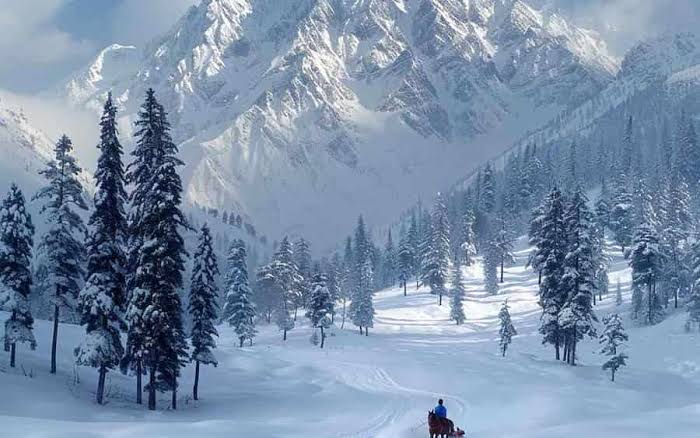
Most travelers flock to Kashmir during the peak summer months (May-August) or the winter snow season (December-February), often finding themselves amidst throngs of people and inflated prices. But the savvy traveler knows that the real magic often unfolds in the quieter, transitional periods.
The most immediate and profound benefit of shoulder season travel (typically March-April and October-November) is the dramatic reduction in tourist numbers. This means:
Uninterrupted Views: Capture postcard-perfect photographs of the Mughal Gardens, Gulmarg meadows, or Pahalgam valleys without strangers in your frame.
Peaceful Exploration: Enjoy a shikara ride on Dal Lake in profound quietude, or meditate by a gurgling stream without distractions.
Intimate Encounters: Engage in more meaningful conversations with locals, from houseboat owners to artisans, who have more time and inclination to share their stories.
When demand dips, so do prices. Your travel budget will stretch significantly further during shoulder seasons:
Accommodation Deals: From luxurious houseboats to cozy boutique hotels, you'll find better rates and more availability.
Flight Savings: Airfares are typically lower compared to peak season surges.
Bargaining Power: You might find better deals on handicrafts, souvenirs, and even local transportation, though always remember to negotiate respectfully.
Shoulder seasons offer a glimpse into Kashmir's daily life, unfettered by overwhelming tourism. You'll witness the valley in its natural rhythm. Moreover, the transitioning landscapes are simply breathtaking:
Spring's Gentle Awakening: See the almond and cherry blossoms burst forth, the first green shoots emerge, and melting snow feed roaring rivers.
Autumn's Golden Hues: Witness the iconic Chinar trees transform into a fiery palette of reds, oranges, and yellows – an experience unparalleled anywhere else in India.
Let’s break down what each shoulder season offers and what to expect.
As the last vestiges of winter snow recede from the lower valleys, Kashmir awakens with a burst of life. March and April are months of nascent greens, blooming orchards, and a crisp, invigorating air.
What to Expect: Temperatures range from cool to pleasantly mild (0°C to 18°C). While heavy snowfall is unlikely in the plains, higher altitudes like Gulmarg might still have snow, offering a fantastic transition from winter sports to early treks. The almond and cherry blossoms put on a spectacular, albeit short-lived, show.
Activities: Perfect for tranquil shikara rides, exploring the Mughal Gardens (Nishat, Shalimar, Chashma Shahi) before the main tulip season crowds arrive, gentle hikes in areas like Aru Valley or Betaab Valley, and simply soaking in the serene atmosphere.
WanderKashmir Insight: Explore our curated WanderKashmir spring tours for unique experiences, including early bloom garden visits and exclusive photography excursions capturing the valley's rebirth. Our local experts can guide you to hidden spots where nature truly shines.
This is arguably Kashmir's most visually stunning shoulder season. The valley transforms into a canvas of gold, bronze, and crimson as the Chinar trees shed their leaves.
What to Expect: Cool, crisp days and chilly nights (5°C to 20°C). The air is incredibly clear, offering panoramic views of the Himalayas. This is harvest season for apples and saffron, adding another layer of cultural richness to your visit.
Activities: Indulge in leisurely walks through saffron fields in Pampore, visit apple orchards, enjoy long houseboat stays, embark on treks to lower-altitude lakes before winter sets in (e.g., Gangabal Lake or Vishansar Lake via Sonamarg if weather permits), and capture the breathtaking Chinar foliage.
WanderKashmir Insight: Book your autumn homestay or a taxi through WanderKashmir to witness the breathtaking Chinar change without the peak season rush. Our local drivers are well-versed in the best scenic routes for autumn foliage viewing.
While shoulder seasons are glorious, a little preparation goes a long way.
Layering is your best friend.
March-April: Light woolens, sweaters, a warm jacket, comfortable walking shoes, and a waterproof outer layer are essential. Mornings and evenings can be quite chilly.
October-November: Heavier woolens, thermal wear, a warm waterproof jacket, gloves, a warm hat, and sturdy walking shoes are a must. The nights are significantly colder.
Public transport is available but can be less frequent in certain areas during off-peak times.
Taxis: For hassle-free travel and exploring off-beat locations, consider pre-booking your taxis and private transfers with WanderKashmir. We ensure reliable service, experienced local drivers, and comfortable vehicles, even in changing weather conditions. This flexibility allows you to chase the best views at your own pace.
Shikaras/Ponies: Readily available, and you might even get better rates due to lower demand.
Expect more choices and better rates. Many houseboats and hotels offer special shoulder season packages.
- WanderKashmir Insight: Discover boutique hotels and charming homestays at exclusive WanderKashmir rates during these times. Our platform features a range of verified accommodations that cater to every budget and preference, ensuring a comfortable and memorable stay.
Keep an eye on the local weather forecast. While generally pleasant, sudden changes, particularly rain or early snow, can occur. Be flexible with your itinerary.
Here’s a rough estimate for a comfortable 5-7 day shoulder season trip to Kashmir for one person, excluding flights (which vary greatly):
Accommodation: ₹2,000 – ₹4,000 per night (for mid-range hotels/houseboats, significantly lower for budget options via WanderKashmir).
Food: ₹800 – ₹1,500 per day (local delicacies, mid-range restaurants).
Local Transport (Taxis via WanderKashmir): ₹2,500 – ₹4,000 per day (for full-day tours or inter-city travel, split among travelers).
Activities (Shikara, Gondola, Entry Fees): ₹500 – ₹1,000 per day.
Total Estimated Daily Spend (excluding flights): ₹5,800 – ₹10,500. Compared to peak season, you could save 20-40% on accommodation and transport alone, making that dream Kashmir trip far more accessible.
Kashmir in its shoulder seasons is not just a trip; it's an intimate affair. It's for the traveler who seeks authenticity over crowds, serenity over bustle, and a deeper connection with a land often misunderstood. From the quiet burst of spring blossoms to the fiery embrace of autumn Chinars, these are the moments when Kashmir truly reveals its soul. So, pack your bags, let go of the peak-season madness, and prepare to fall in love with Kashmir, unfiltered and unforgettable, with WanderKashmir guiding your every step.
Have you experienced Kashmir during its quieter, more magical moments? Share your stories and tips below! We’d love to hear how you unlocked the valley’s secrets.