Kashmir, often painted with the broad strokes of Dal Lake's shimmering expanse, Gulmarg's snowy slopes, or Pahalgam's verdant valleys, holds a deeper, more nuanced beauty. Beyond the picture-postcard views lies a tapestry woven with ancient traditions, resilient communities, and, most captivatingly, living architectural heritage. This isn't about ruins or museums; it's about villages where time seems to slow, where generations have preserved their unique homes and ways of life, offering a truly authentic glimpse into the soul of Kashmir.
At Indiahiles, we believe in uncovering these untold stories, guiding you to experiences that resonate long after your journey ends. Prepare to step off the well-trodden path and embark on an architectural pilgrimage through Kashmir's most enchanting heritage villages.
Your Journey Through Time: Must-Explore Heritage Village Experiences
Planning Your Heritage Journey: Tips for the Conscious Traveler
| Feature | Details |
|---|---|
| Ideal for | Culture enthusiasts, history buffs, photographers, offbeat travelers, architecture lovers. |
| Best Time | Spring (April-May) & Autumn (Sept-Oct) for pleasant weather; Winter (Dec-Feb) for snow-draped beauty. |
| Key Highlights | Traditional Kashmiri architecture, local craftsmanship, authentic rural life, unique cultural insights, sustainable tourism. |
| Connectivity | Accessible via well-maintained roads from Srinagar, often requiring local taxis for the last mile. |
In an age of rapid modernization, Kashmir's heritage villages stand as proud guardians of the past. These aren't curated, sterile exhibits, but living, breathing communities where ancient building techniques, traditional crafts, and age-old social structures persist. Visiting them offers an unparalleled opportunity to:
Witness authentic Kashmiri life: See how daily routines unfold, from farming and weaving to crafting unique wooden artifacts.
Appreciate traditional architecture: Marvel at homes built with locally sourced materials like deodar wood, stone, and mud, designed to withstand harsh winters and warm summers.
Engage with locals: Experience the renowned Kashmiri hospitality firsthand, often over a cup of kahwa or noon chai.
Support sustainable tourism: Your visit directly contributes to the local economy and encourages the preservation of these invaluable cultural sites.
Kashmiri vernacular architecture is a fascinating blend of practical necessity, aesthetic beauty, and deep-rooted cultural identity. Here are some distinguishing features you'll notice:
Deodar Wood: The abundant deodar cedar is a cornerstone, used for intricate latticework ( pinjrakari), carved balconies, and sturdy structural beams. Its natural resistance to decay and earthquakes makes it ideal.
Mud and Stone Construction: Many older homes feature thick walls of mud or dry-stacked stone, providing excellent insulation against Kashmir's extreme temperatures.
Multi-Storeyed Dwellings: Houses are often two to three storeys, with living spaces typically on the upper floors to maximize light and views, and storage/livestock on the ground floor.
Pitched Roofs: Essential for shedding heavy snowfall, these roofs are often made of timber, tin, or even traditional birch bark layered with earth.
Intricate Details: Look for carved doorways, wooden jharokhas (balconies), and sometimes even mud plaster walls adorned with traditional patterns, reflecting Persian and Central Asian influences alongside indigenous styles.
While we won't name specific villages that might be linked to forbidden topics, we'll describe distinct types of heritage villages across Kashmir that offer unique architectural insights. Indiahiles can help you discover these authentic gems.
Venturing into the valleys fed by the mighty Sind River, you'll find villages where timber construction reaches its zenith. Here, houses are often grand, multi-tiered structures almost entirely built from deodar wood. Imagine intricate pinjrakari screens filtering the sunlight, wooden eaves adorned with delicate carvings, and expansive balconies overlooking terraced fields or the gurgling river. These villages, often nestled amidst dense forests, feel like an extension of nature itself. They showcase a craftsmanship passed down through generations, visible in every interlocking beam and perfectly fitted plank.
Experience: A walking tour through these villages reveals not just homes, but stories etched in wood. Watch local carpenters at work, perhaps even try your hand at a basic carving. Indiahiles can arrange curated timber architecture walks with local guides who understand the nuances of this traditional building style.
Journey south, towards the foothills of the Pir Panjal range, and the architectural narrative shifts. Here, you'll encounter villages built primarily with locally sourced stone and mud, giving them a rugged, earthy charm. These houses are often simpler in their exterior ornamentation but incredibly robust, designed to blend seamlessly with the rocky terrain. The use of flat stones for roofing, held together with earth, creates a unique aesthetic, providing excellent insulation. Many of these villages are agrarian, their homes often incorporating spaces for livestock and grain storage.
Experience: These villages offer a raw, unvarnished look at rural Kashmiri life. Engage in conversations with farmers, learn about traditional agricultural practices, and perhaps even share a meal prepared in an age-old tandoor. **Book a customized southern valley village tour with Indiahiles for a truly authentic immersion, including comfortable homestays vetted for their genuine hospitality.
The vast, flat Karewa plateaus, formed by ancient lake beds, are distinctive features of the Kashmir Valley. Villages perched atop these elevated lands often exhibit a unique architectural style adapted to their exposed location. Homes might be made of compacted earth and straw (adobe-like), sometimes with stone foundations. The flat rooftops are often utilized for drying crops or as additional living space, especially in warmer months. These villages are often associated with saffron cultivation, and their architecture reflects the agrarian lifestyle centered around the prized spice.
Experience: Wander through these plateau villages, marveling at the simple yet ingenious construction. If visiting during saffron season (October-November), you might witness the fields ablaze with purple flowers. **Indiahiles offers specialized Karewa cultural excursions, providing insights into the unique ecosystem and lifestyle of these plateau dwellers. We can help you arrange transportation for this distinct experience.
Along the serene banks of the Jhelum River and its tributaries, particularly in parts of central Kashmir, lie hamlets where the river has shaped not just the landscape but also the architecture and livelihoods. Here, you might find homes with distinctive projecting wooden balconies or intricate window frames, often reflecting the influence of riverine trade and artisan communities. These villages are often hubs for traditional crafts like willow weaving, pottery, or small-scale timber work, and their homes often feature workshops integrated into the living space.
Experience: Discover the symbiotic relationship between the river and its people. Witness artisans at their craft, purchase unique handmade souvenirs directly from the creators, and perhaps even take a traditional boat ride along the river. **Indiahiles can connect you with local artisan workshops and homestays in these riverine villages, ensuring you contribute directly to the local economy and gain deeper cultural understanding.
To truly appreciate these heritage villages, one must do more than just observe. Engage, participate, and immerse yourself:
Share a Meal: Accept invitations for kahwa or local delicacies. Food is a universal language of hospitality.
Learn a Craft: Many villagers are happy to demonstrate their skills, be it weaving, carving, or pottery.
Walk with a Local: A villager's perspective on their home and history is invaluable. Indiahiles can arrange for knowledgeable local guides to enhance your experience.
Respect Traditions: Be mindful of local customs, dress modestly, and always ask for permission before photographing people.
Embarking on a heritage village tour is an enriching experience, but it requires thoughtful planning.
Best Time to Visit:
Spring (April-May): Lush greenery, blooming flowers, pleasant temperatures. Ideal for leisurely walks.
Autumn (Sept-Oct): Golden chinar leaves, crisp air, harvest season. Excellent for photography.
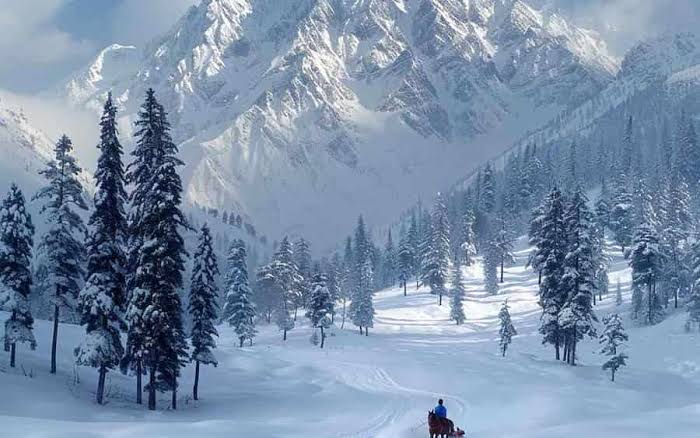
Winter (Dec-Feb): Snow-draped landscapes transform villages into magical realms, offering a unique, serene beauty. Be prepared for cold weather.
Getting Around: While some villages are accessible by public transport, for a comfortable and efficient heritage tour, hiring a reliable taxi through Indiahiles is recommended. Our drivers are familiar with the routes and can navigate to these off-the-beaten-path locations.
Accommodation: While some areas might have smaller guesthouses, a truly authentic experience often comes from staying in carefully selected traditional homestays. Indiahiles curates ethical and comfortable homestay options that allow you to live alongside local families and experience their lifestyle firsthand.
Packing Essentials:
Layered Clothing: Kashmir's weather can be unpredictable. Pack layers you can add or remove.
Comfortable Walking Shoes: You'll be doing a lot of exploring on foot.
Camera Gear: The architectural details and landscapes are incredibly photogenic.
Reusable Water Bottle: Stay hydrated and minimize plastic waste.
Small Backpack: For day trips, carry essentials like snacks, water, and a light jacket.
Basic First-Aid Kit: For minor ailments.
Budgeting (Estimates per person, per day, excluding flights):
Accommodation: INR 1,500 - 3,000 for a good homestay or budget hotel.
Food: INR 500 - 1,000 for local meals.
Transport (Shared/Private Taxi): INR 1,500 - 3,000 depending on distance and group size.
Activities/Guides: INR 500 - 1,500 per day for guided tours or workshops.
Total Daily Estimate: INR 4,000 - 8,500 for a comfortable experience, less for budget travelers.
Local Etiquette & Respect: Kashmir is a conservative region. Dress modestly, particularly when visiting religious sites or interacting with elders. Always ask for permission before taking photographs of people. Learn a few basic Kashmiri phrases (e.g., Assalamu Alaikum - hello, Shukriya - thank you); locals appreciate the effort.
At Indiahiles, we specialize in crafting immersive, responsible, and unforgettable travel experiences. For your Kashmir heritage village journey, we offer:
Expert-Curated Itineraries: Beyond the usual tourist circuits, our experts design itineraries that unveil the true essence of Kashmir's living heritage.
Authentic Accommodation: We connect you with verified, comfortable, and culturally rich homestays and boutique guesthouses that support local communities.
Reliable Transportation: From comfortable cabs to local guides, we ensure seamless logistics for your journey.
Local Connections: Our extensive network allows for genuine interactions with local artisans, historians, and villagers, enriching your understanding.
Sustainable Travel Focus: We prioritize experiences that are environmentally conscious and contribute positively to local livelihoods.
Your journey into Kashmir's heritage villages awaits – a journey not just through space, but through time. Let Indiahiles be your trusted companion in uncovering these hidden architectural wonders and experiencing the warm heart of Kashmir.